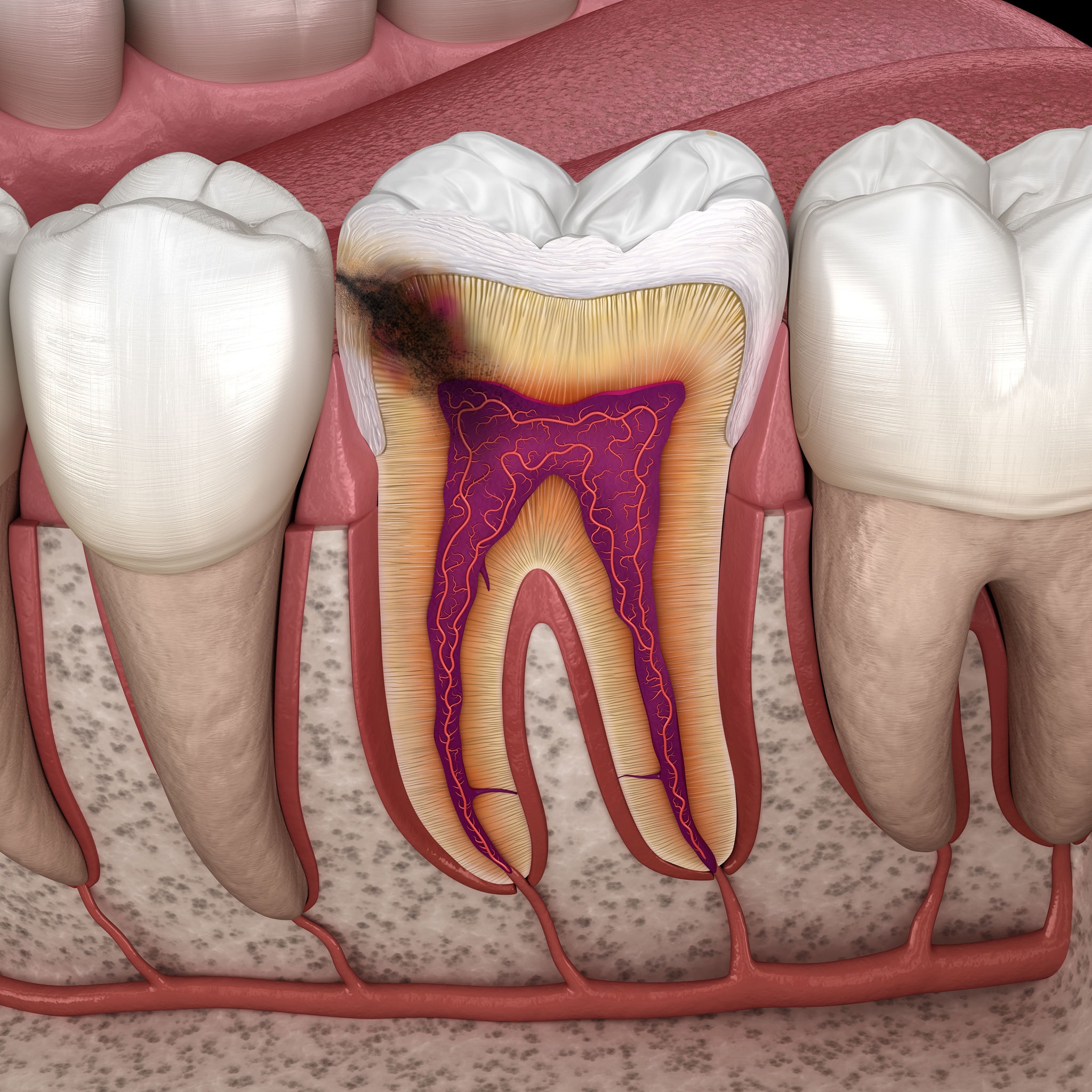
A tooth abscess is a pocket of pus caused by a bacterial infection that can form in different regions of the tooth. Abscesses can cause severe, persistent toothache, sensitivity to hot and cold, fever, and swollen lymph nodes — and require prompt dental treatment to prevent the infection from spreading.
READ MOREIs tooth loss inevitable in your later years? How much should adults be concerned about cavities? Here you will find helpful answers to frequently asked questions about oral health as you get older, including links between oral symptoms and overall health conditions.
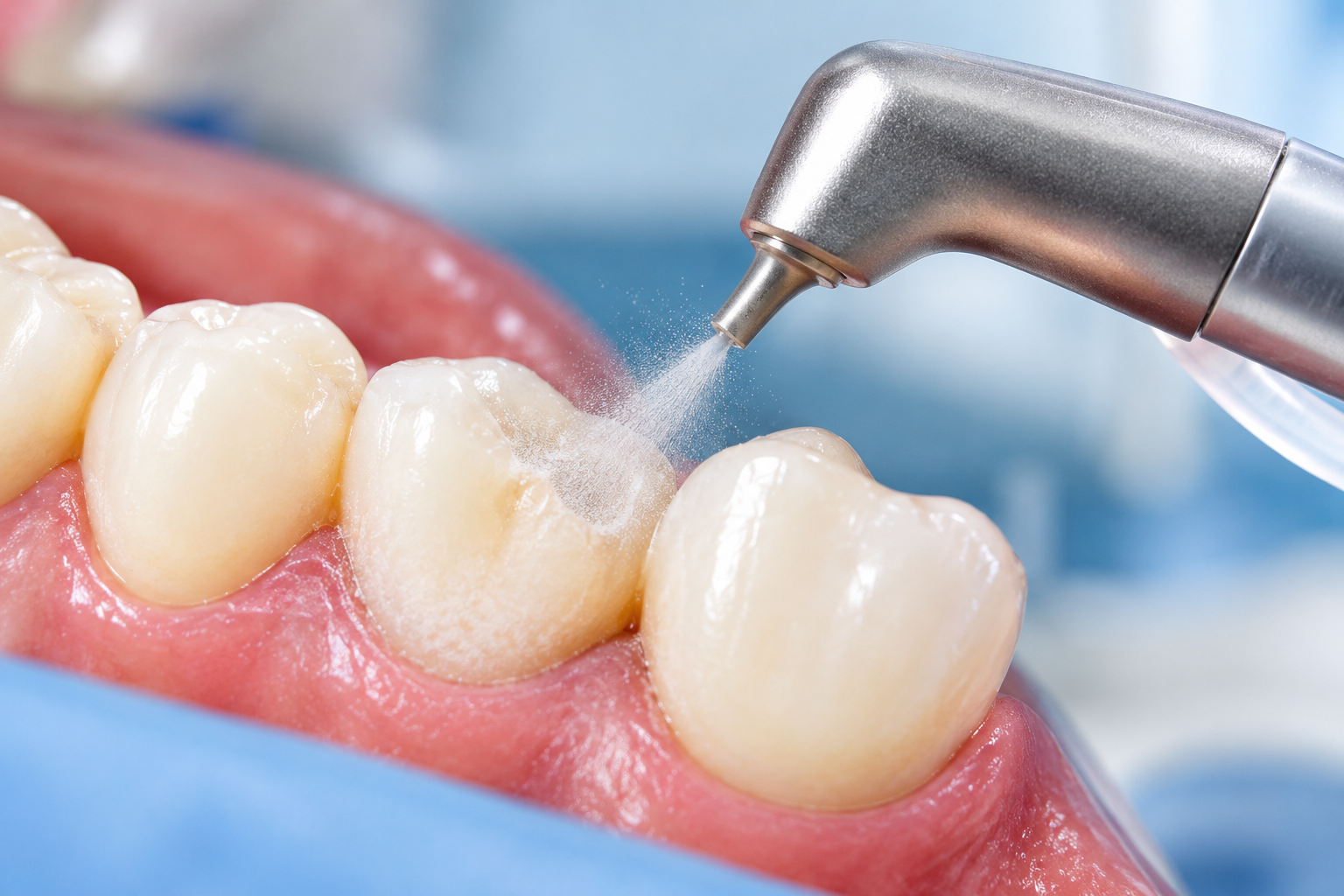
READ MOREAir abrasion is a relatively new technique that uses powerful particles of aluminum oxide to remove debris and decay. The most exciting thing for patients is that air abrasion is painless and, in some cases, does not require an anesthetic at all.
READ MOREDentistry has advanced to the point where pain is almost a thing of the past. Powerful pain-killing medications known as anesthetics help patients avoid discomfort during and after procedures. Types include analgesics, topical and injectable anesthetics, and sedatives such as nitrous oxide.
READ MOREAn estimated 65 percent of Americans have bad breath, and over 40 million have chronic halitosis. In most cases it is caused by food remaining in the mouth collecting bacteria, which release sulfur compounds. Persistent bad breath may also be a sign of gum disease or other health conditions.
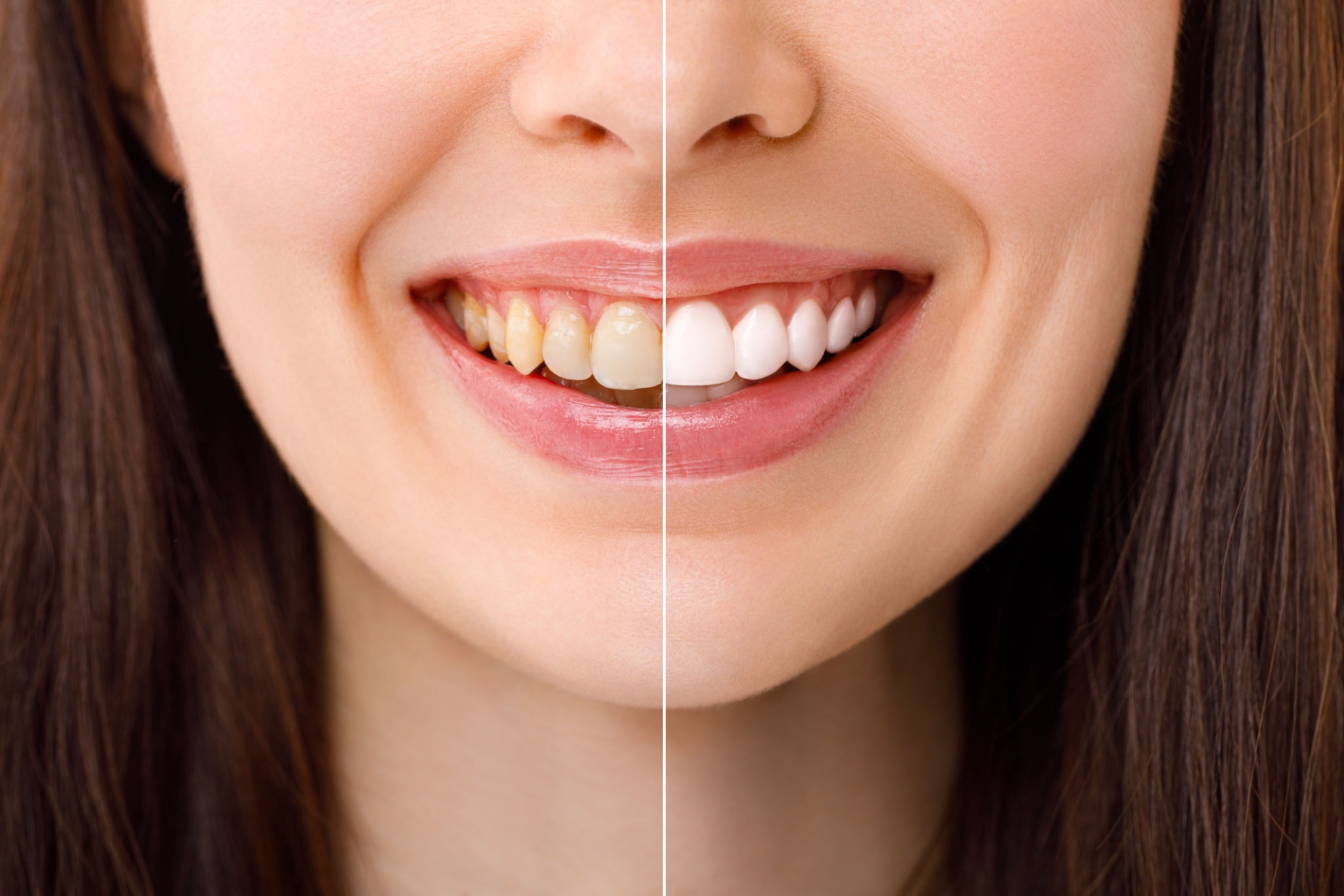
READ MOREBleaching products work with a chemical called peroxide and can brighten your teeth several shades. Non-bleaching products use abrasives or chemicals to remove only surface stains, while bleaching agents penetrate deeper to change the actual color of your teeth.
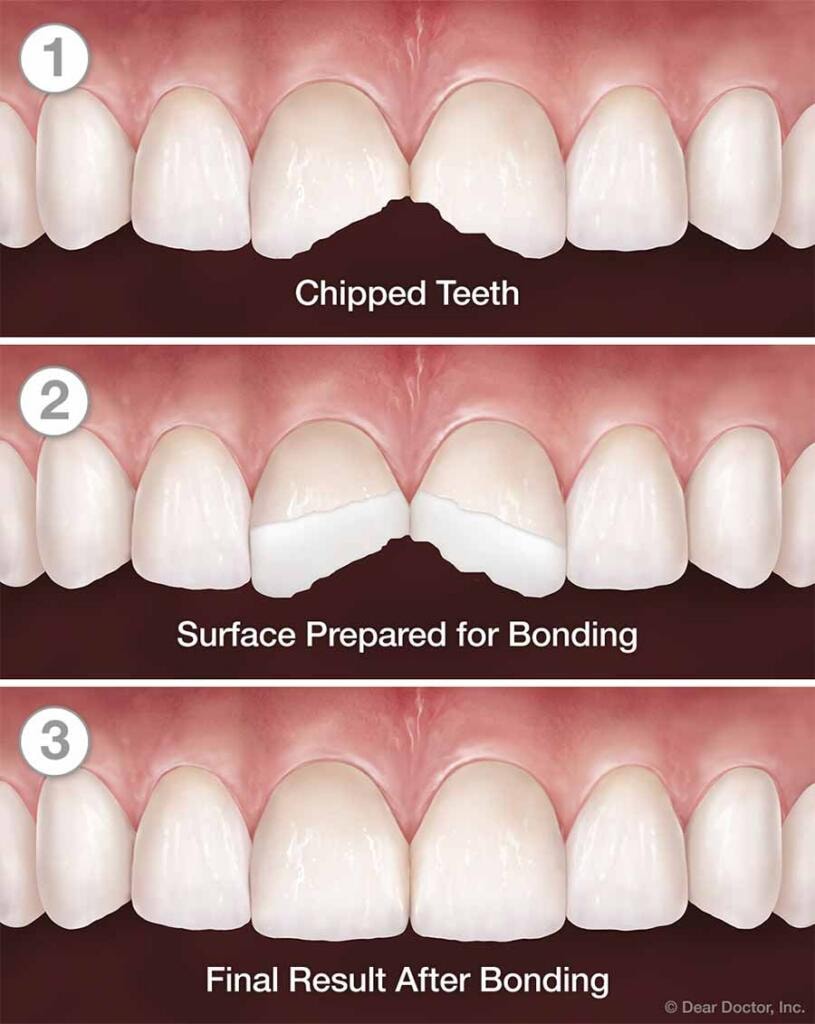
READ MOREBonding is a process in which an enamel-like material is applied to a tooth surface, sculpted to an ideal shape, hardened, and then polished for an ideal smile. This procedure can usually be accomplished in a single visit and is often used to fill gaps or change tooth color.
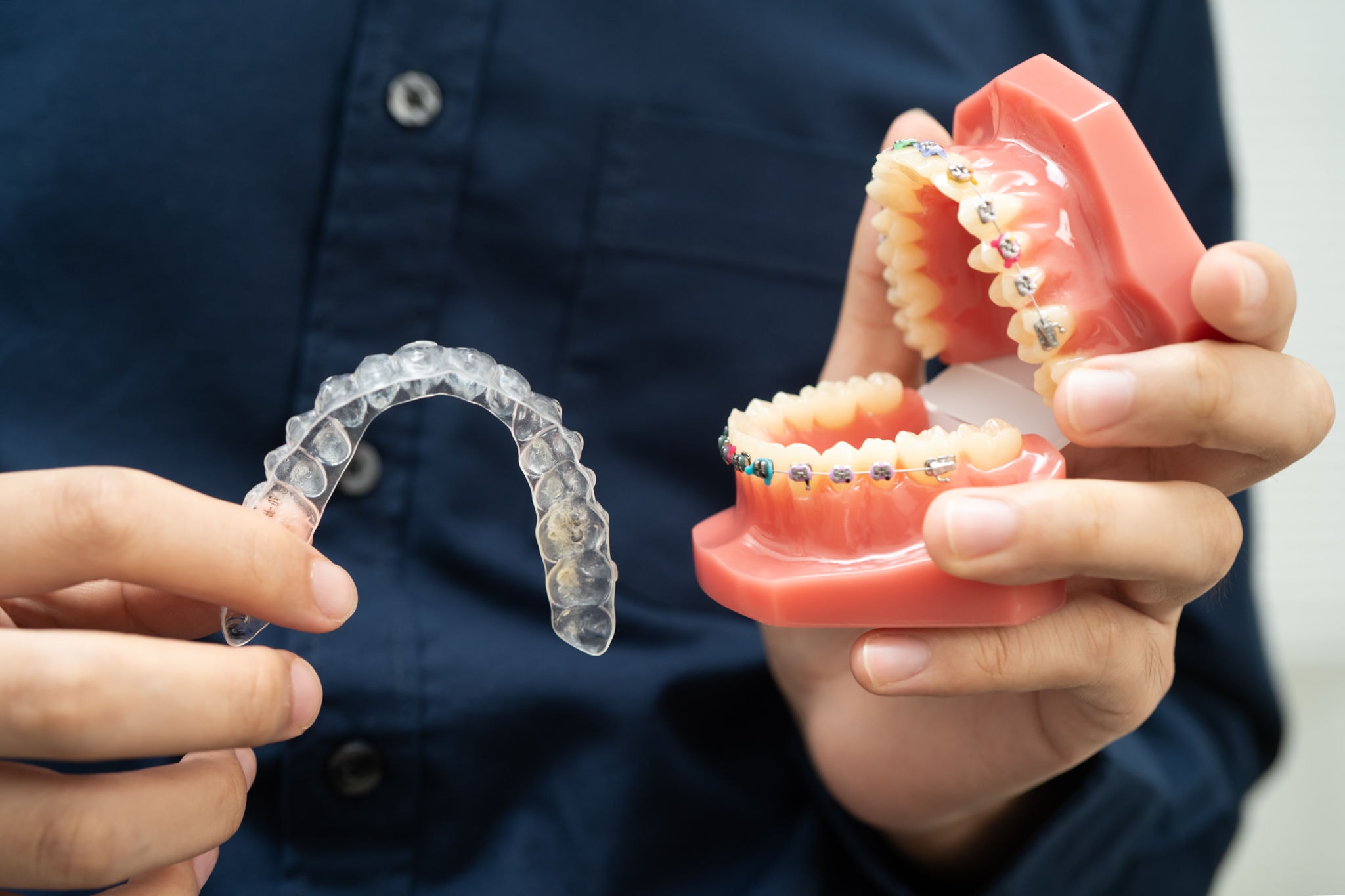
READ MOREOrthodontic treatment with braces corrects misaligned teeth and jaws, improving both appearance and oral health. Braces apply continuous pressure over time to slowly move teeth in a specific direction, and as teeth move, the bone changes shape to accommodate the new position of the teeth.
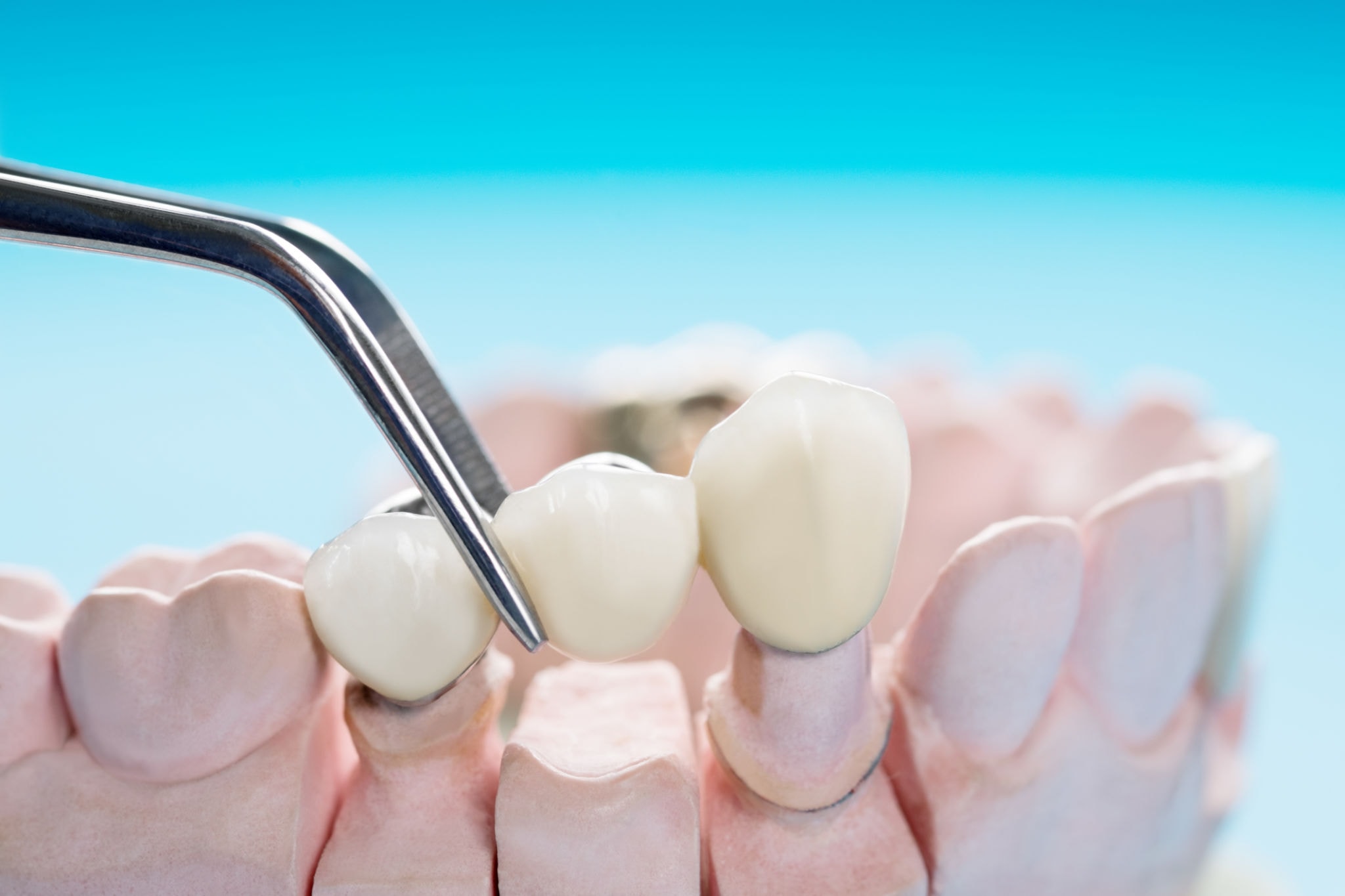
READ MOREA dental bridge literally bridges the gap created by one or more missing teeth. A bridge is made up of two or more crowns on either side of the gap and a false tooth in between, helping restore your smile, ability to chew and speak properly, and maintaining the shape of your face.
READ MOREBrushing is the most effective method for removing harmful plaque from your teeth and gums. Most dentists agree that brushing three times a day is the minimum, and using a fluoride toothpaste in the morning and before bed helps prevent cavity-causing acids from forming.
READ MORE